
New Year Self-Care Habits That Actually Stick
Introduction
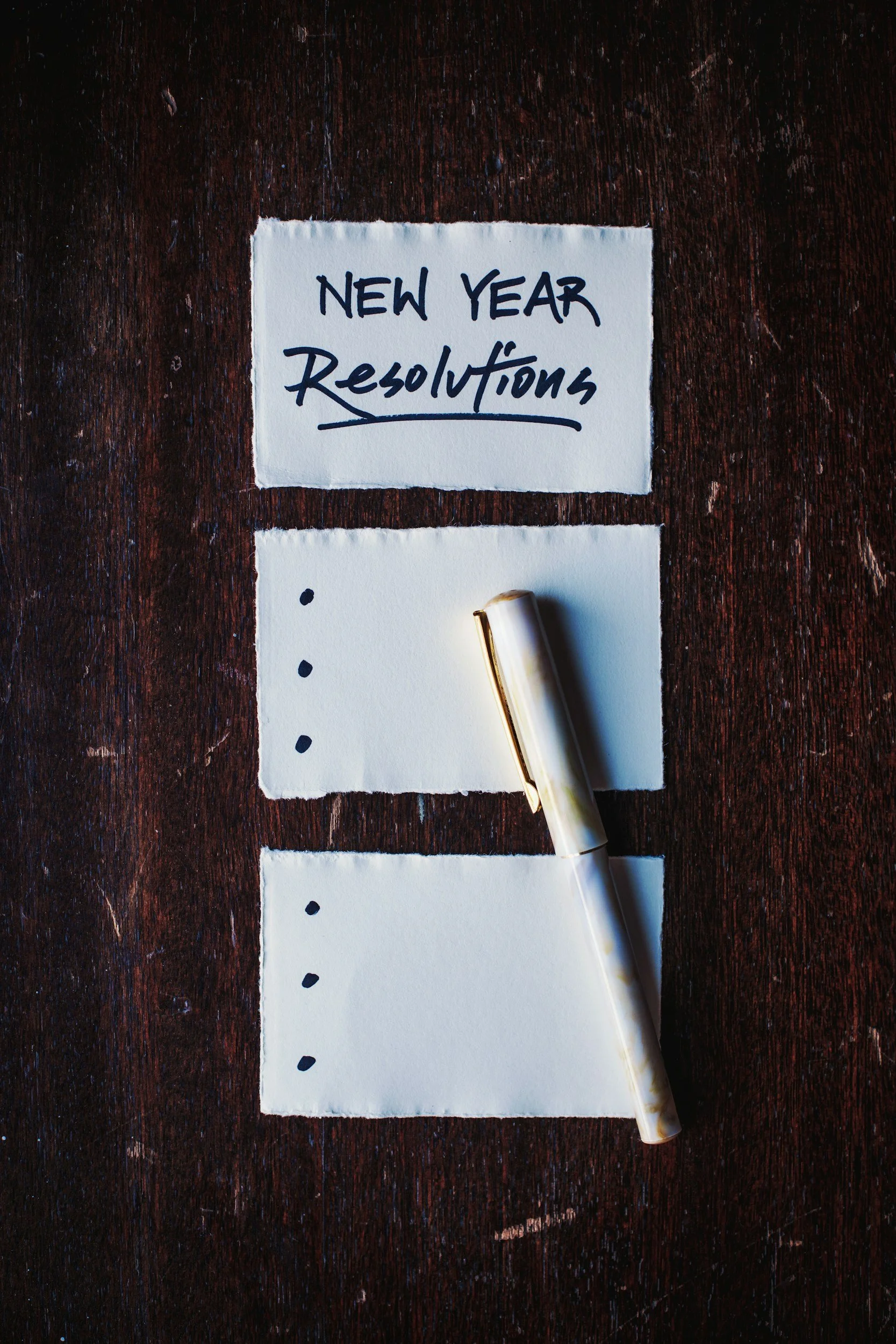
Every January, we make ambitious resolutions: more exercise, better nutrition, meditation, therapy… the list goes on. By mid-month, motivation wanes, guilt sets in, and self-care feels like just another item on the to-do list. Here’s the truth: self-care isn’t about perfection or rigid schedules — it’s about building habits that actually stick and support your nervous system. Behavioral research shows that small, consistent actions, repeated over time, have far greater impact than grand gestures. As James Clear points out in Atomic Habits, tiny changes — done repeatedly — compound into meaningful transformation. Let’s explore how high-achieving women can turn self-care into evidence-based, sustainable habits that survive the pressures of daily life.
Why Self-Care Fails Most of the Time
Traditional New Year’s resolutions fail about 80% of the time by February. Common pitfalls include:
Setting overly ambitious goals – e.g., meditating for an hour every day with no prior habit
External motivation instead of internal – doing it because you “should” rather than because it restores you
Ignoring environment and identity cues – stress, trauma, and overwork make consistency nearly impossible
Clear emphasizes that habits are easier when they are identity-driven and your environment supports them. Instead of saying, “I want to meditate more,” think, “I am someone who prioritizes calm and self-care.” Identity-based habits increase follow-through because your actions align with who you want to be, not just what you want to do.
Research-Backed, James Clear–Inspired Strategies
1. Start Small (The 2-Minute Rule)
Clear’s “2-Minute Rule” suggests scaling new habits down so they take two minutes or less to start. Examples:
2 minutes of diaphragmatic breathing in the morning
5 gentle yoga stretches during lunch
Writing one gratitude sentence before bed
Why it works: Small habits reduce resistance, build momentum, and eventually expand naturally into longer practices.
2. Focus on Systems, Not Goals
Instead of setting a rigid resolution, design a system that supports your self-care identity. For example:
Place yoga mat by your bed as a visual cue
Keep a water bottle at your desk to prompt hydration
Schedule short movement breaks in your calendar
James Clear notes that you do not rise to the level of your goals; you fall to the level of your systems. Building supportive systems ensures habits survive stress and fatigue.
3. Make Self-Care Obvious, Attractive, Easy, and Satisfying
Clear’s four laws of behavior change:
Obvious: Create environmental cues that remind you to act (e.g., sticky notes, alarms, visual prompts)
Attractive: Pair habits with something enjoyable (listen to a favorite podcast during yoga stretches)
Easy: Start small and reduce friction (keep journal or mat in plain sight)
Satisfying: Track progress or reward yourself for consistency
Applying these laws increases the likelihood that your self-care habits stick, even when life gets busy.
4. Integrate Somatic Awareness
Research in trauma-informed care shows somatic practices regulate the nervous system more effectively than cognitive-only approaches. Gentle yoga, body scans, and mindful attention to tension and posture can anchor new habits physically as well as mentally.
5. Accountability & Social Support
Behavioral studies show we are more likely to maintain habits when shared with a supportive community. Consider a friend, therapist, or small accountability group — ideally focusing on encouragement rather than judgment.
Creative Twists for Busy Women
Morning Micro-Rituals: Brew coffee, do 2–3 minutes of breathwork, set one gentle intention.
Stress Release Moments: Stand, stretch, shake out your shoulders, or step outside for 30 seconds.
End-of-Day Reflection: Note one small win and one thing you felt, rather than dwelling on everything unfinished.
Self-care in the New Year doesn’t have to be complicated or overwhelming. Using James Clear’s research-backed habit principles — start small, shape your environment, anchor your identity — plus somatic awareness and supportive structures, you can build routines that last.
If you’d like personalized support creating self-care systems, regulating your nervous system, or releasing stress, I work with women in Connecticut and online to move from survival mode into clarity and balance. Schedule a consultation here.
