
Navigating Life Transitions: How to Build Emotional Resilience
Life transitions are inevitable. Some we choose—starting a new job, moving, or launching a business. Others arrive uninvited—health issues, relationship changes, children growing up, or unexpected loss.
Even when transitions are positive, they can still feel overwhelming. Change disrupts our routines, challenges our identity, our comfort zones, and often brings uncertainty. If you’ve ever found yourself thinking, “Why is this so hard when it’s supposed to be a good thing?” you’re not alone.
The key to moving through these moments isn’t avoiding stress. It’s building emotional resilience—the ability to adapt, recover, and stay grounded even when life feels uncertain. So many of my clients spend their energy on planning for the what-ifs and the potential hazards of life to avoid the pain and discomfort. But life will manage to find something we don’t feel ready to experience. While practical preparation can be wise, the strategy for managing stressors is not eliminating, but mitigating them.
Why Life Transitions Feel So Difficult
As humans, we’re wired for predictability. Our brains and nervous systems like routine because it signals safety. When something shifts—whether it’s your schedule, your role, or your relationships—your system can interpret that change as a threat.
This is why transitions often come with:
Anxiety or overthinking
Irritability or mood swings
Trouble sleeping
Feeling stuck or unmotivated
Even positive changes can activate stress because they require adjustment. You’re not doing anything wrong—your system is trying to recalibrate.
What Is Emotional Resilience?
Emotional resilience isn’t about “staying positive” or pushing through without struggle. It’s about flexibility. It’s the ability to experience discomfort, process it, and still move forward.
Resilience allows you to:
Adapt to new situations
Recover from setbacks
Stay connected to yourself and others
Respond thoughtfully instead of reacting impulsively
The good news is that resilience isn’t something you either have or don’t have—it’s a skill you can build.
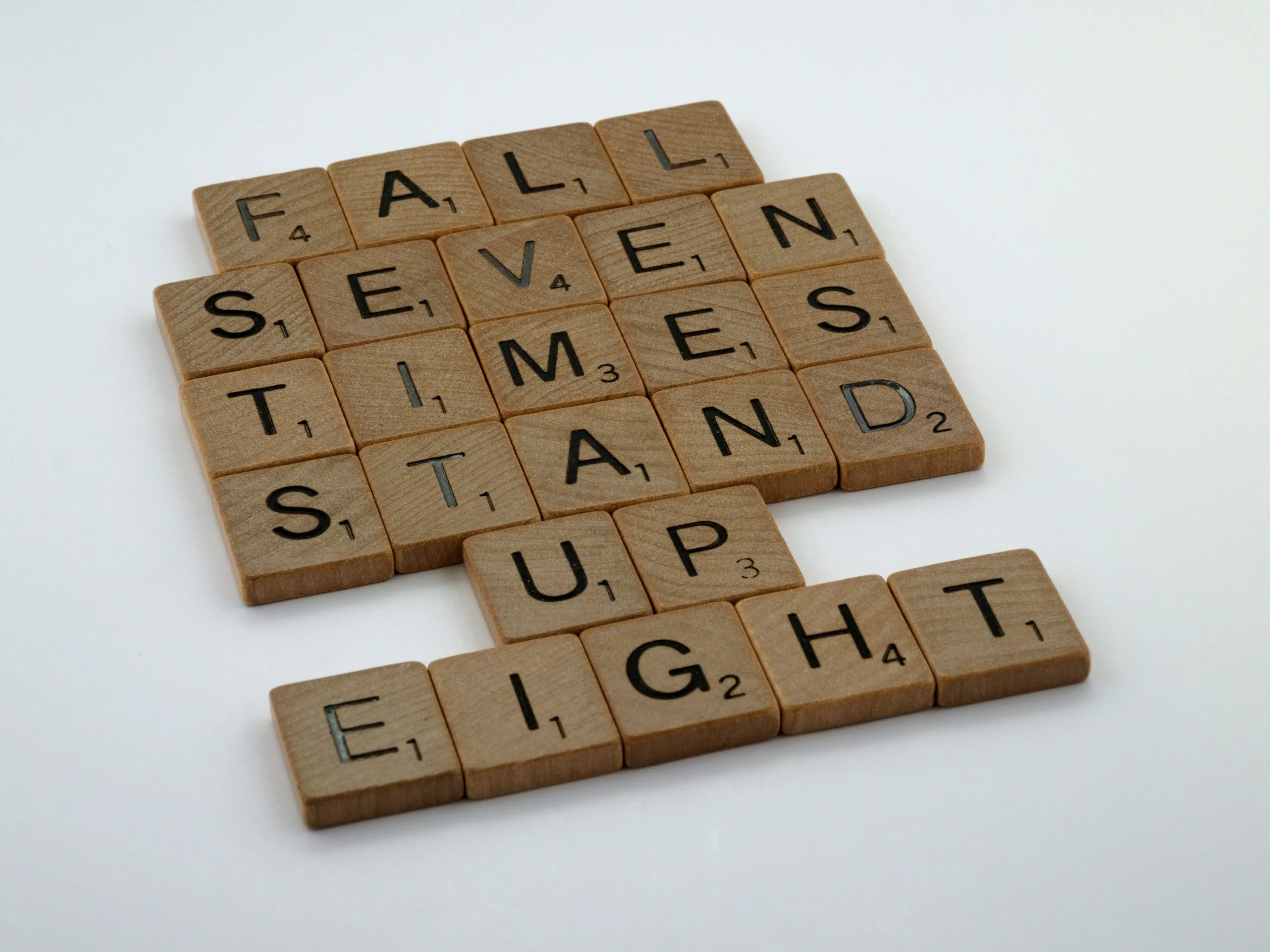
5 Ways to Build Emotional Resilience During Transitions
1. Normalize the discomfort
One of the most powerful shifts you can make is simply acknowledging that transitions are hard. You don’t need to rush to “fix” your feelings.
Instead of asking, “What’s wrong with me?” try asking, “What does my system need right now?”
This small shift reduces self-judgment and creates space for self-compassion.
2. Focus on what’s within your control
Transitions often come with uncertainty, which can make you feel powerless. Ground yourself by identifying what is in your control—your routines, your boundaries, your daily habits. The way you take care of yourself.
Even small actions, like sticking to a morning routine or planning your week, can create a sense of stability.
3. Support your nervous system
Resilience isn’t just mental—it’s physiological. When your nervous system is regulated, you’re better able to handle stress.
Simple ways to support it include:
Deep, slow breathing (no breath holding)
Getting outside for fresh air
Gentle movement like walking or yoga
Limiting overstimulation (like constant scrolling)
These aren’t luxuries—they’re essential tools for navigating change.
4. Stay connected
Transitions can feel isolating, especially if you’re unsure how to talk about what you’re going through. But connection is one of the most important protective factors for resilience.
Reach out to someone you trust—a friend, partner, therapist or spiritual advisors. You don’t need to have it all figured out to share that you’re struggling. There’s support groups for many of life’s bigger challenges, and resources like this blog and others online.
5. Let go of the “right way” to handle change
There’s no perfect way to navigate a life transition. Some days you’ll feel motivated and clear; other days you might feel stuck or emotional. That doesn’t mean you’re failing—it means you’re human.
Resilience isn’t linear. It’s built in the moments when you keep showing up, even imperfectly. It’s okay to struggle. That’s how growth happens, and confidence develops.
A Different Way to Think About Change
We often approach transitions as something to “get through” as quickly as possible. But what if this phase isn’t just something to survive?
What if it’s a period of growth, recalibration, and even possibility?
Transitions can clarify what matters most, reveal strengths you didn’t know you had, and create space for new ways of living. That doesn’t mean they’re easy—but they can be meaningful.
You Don’t Have to Navigate This Alone
If you’re in the middle of a life transition and feeling overwhelmed, support can make all the difference. Therapy provides a space to process what’s changing, understand your responses, and build the tools you need to move forward with more confidence.
You don’t have to rush through this season or have all the answers right away. With the right support and strategies, you can move through change in a way that feels grounded, intentional, and aligned with who you are becoming.
If you’re ready for support in navigating a transition and building emotional resilience, reach out today—I’d love to help you through this next chapter.
